Irish step dancing is primarily about individual technique, rhythm, and precise footwork. Céilí dancing is about people dancing together in groups, often with partners and changing formations.
If you’re new to Irish dance, it can be easy to assume that all Irish dancing looks the same. It doesn’t. Both forms are deeply connected to Irish music and culture, and you can experience both styles as part of an Irish dance experience in Dublin.
Irish Step Dancing: Precision and Footwork
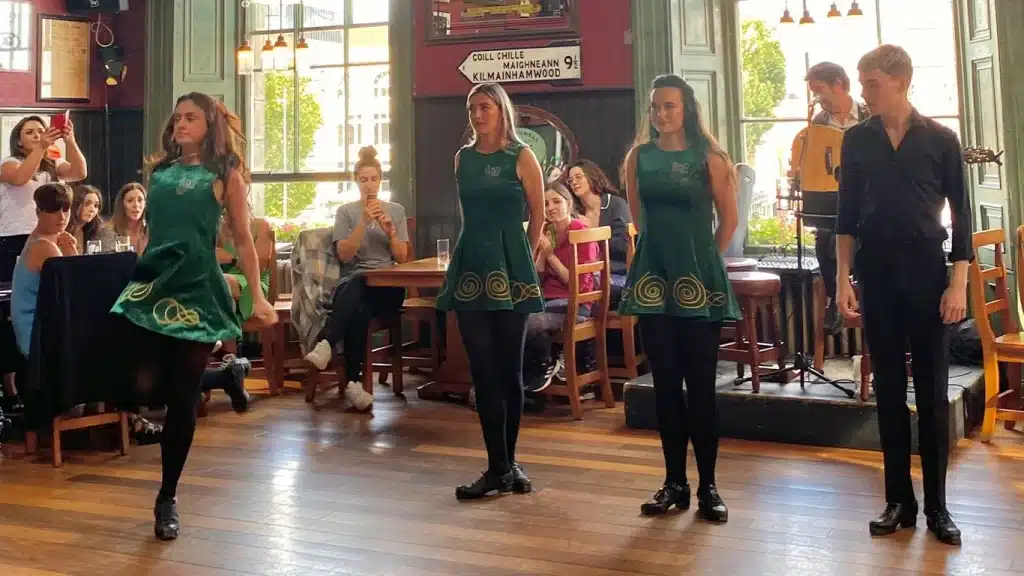
Irish step dancing is the style most people probably picture when they think of spectacular Irish dance performances.
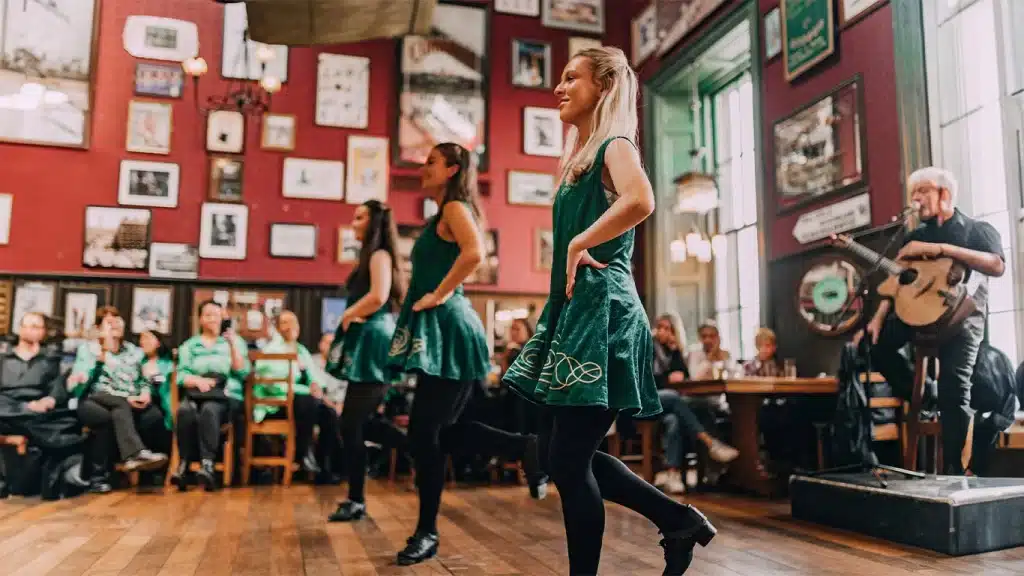
The dancer maintains a relatively upright posture while the feet perform fast, precise movements. The arms and upper body remain comparatively controlled, allowing the footwork and rhythm to take centre stage.
Step dancing can involve jigs, reels, hornpipes and other traditional Irish dance rhythms. At a performance level, the movements require considerable coordination, timing, strength, and practice.
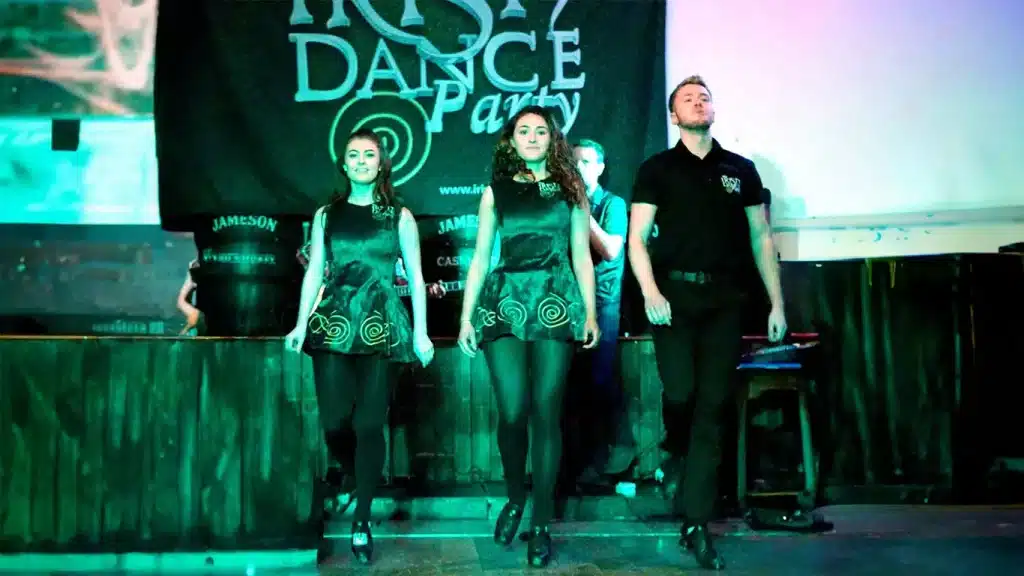
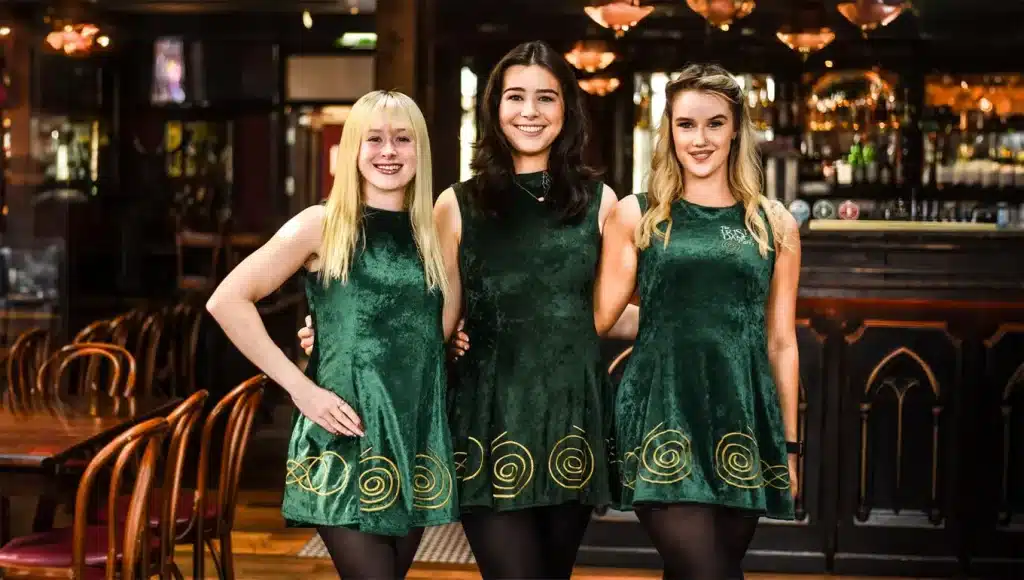
At The Irish Dance Party, professional award-winning dancers demonstrate choreographed Irish dance performances, giving visitors an opportunity to see this performance style up close.
What does Irish step dancing look like?
Typical characteristics include:
- Fast and precise footwork
- Upright posture
- Controlled upper-body movement
- Strong sense of rhythm
- Individual or small-group performance
- Highly rehearsed choreography
This is the side of Irish dance that has become internationally recognizable through productions such as Riverdance.
Céilí Dancing: Social and Shared
Céilí dancing is different because the focus is on dancing with other people rather than performing alone.
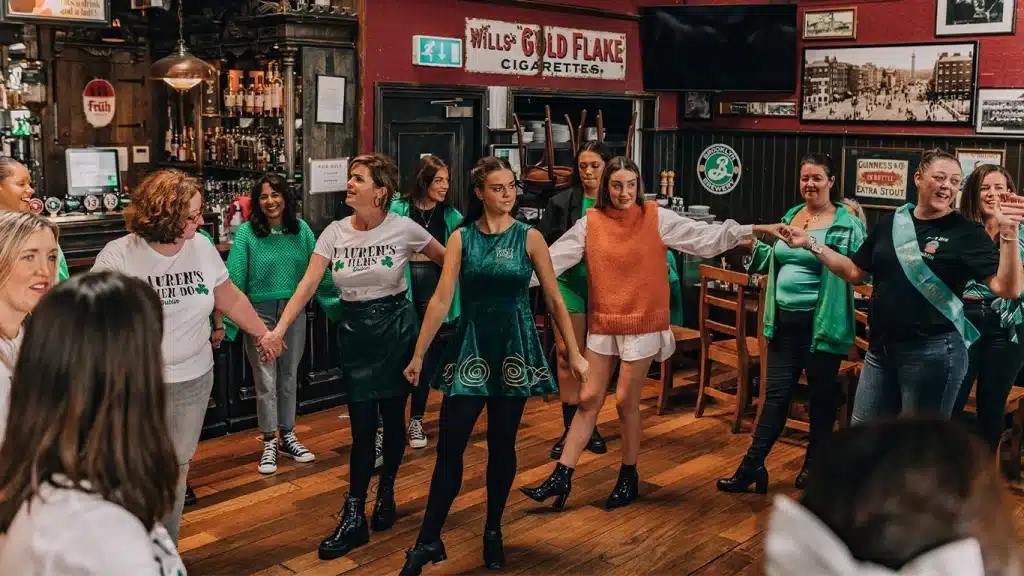
Céilí dances are traditionally performed by groups, often using lines, circles, sets, or other formations. Dancers may work with partners and interact with other members of the group as the dance progresses.
The emphasis isn’t on impressing an audience with complicated individual footwork.
Instead, céilí dancing is about:
- Moving together
- Following the rhythm
- Working with a partner or group
- Learning repeated patterns
- Social interaction
- Having fun
You don’t need to be an experienced dancer to participate. That’s one of the reasons céilí dancing works so well for social events and visitors who want to experience Irish culture for themselves.
Which One Is Easier for Beginners?
Céilí dancing is generally more accessible to someone trying Irish dancing for the first time.
That’s because the emphasis is on learning a sequence of movements and following the group rather than mastering highly technical solo footwork.
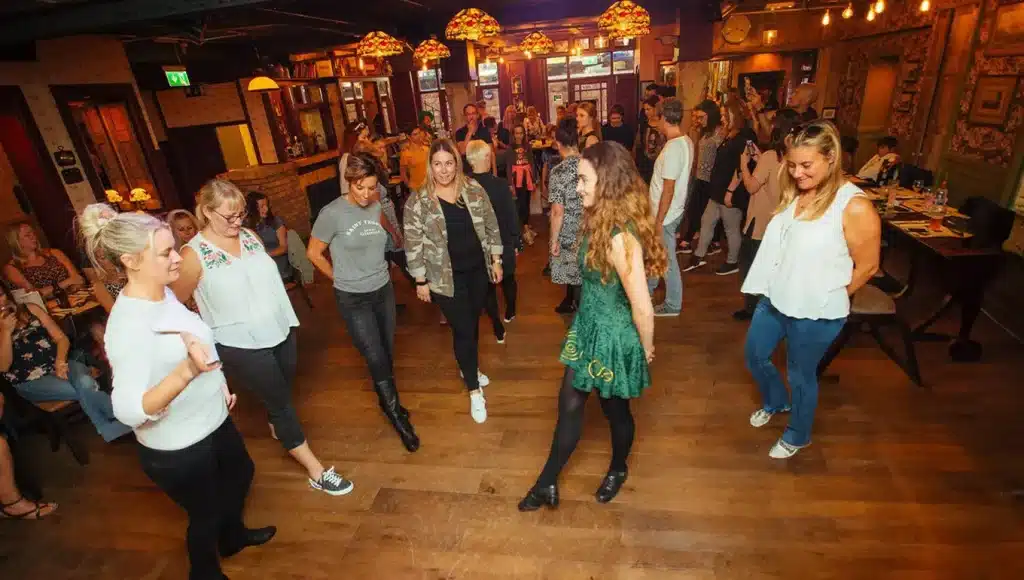
At the Irish Dance Party, friendly professional dancers teach guests three simple Irish dances, with lessons lasting approximately 20 minutes, 20 minutes, and 10 minutes. The experience is designed so that people without previous dance experience can participate.
So if you’re visiting Dublin and wondering whether you can join in, you don’t need to arrive knowing Irish dance steps.
Do Céilí Dancers Do the Same Steps as Step Dancers?
Not necessarily.
There can be similarities in the underlying Irish dance vocabulary and rhythms, but the purpose and structure are different.
A step dancer may concentrate on executing footwork accurately and rhythmically. A céilí dancer needs to coordinate their movements with other people and remember where to move within a formation.
For example, a group might move in a circle, change partners, move through a formation, or repeat a sequence together.
The result is less about one person’s technique and more about everyone moving as a group.
What About Jigs and Reels?
Both jigs and reels are important parts of Irish traditional dance and music.
A jig and a reel have different musical rhythms, and dancers use different movements to match those rhythms. At The Irish Dance Party, guests may be introduced to traditional dances such as jigs and reels while professional dancers demonstrate more advanced performances.
For a beginner, you don’t need to understand the musical theory before joining a dance lesson. The instructors break the movements down and help the group follow along.
Why Does The Irish Dance Party Include Both?
This combination is part of what makes the experience interactive.
You get to see Irish step dancing performed by professionals and then experience the social side of Irish dancing yourself.
The professional performances demonstrate the speed, precision, and athleticism of Irish dance. The interactive lessons give guests the opportunity to experience the communal side of the tradition.
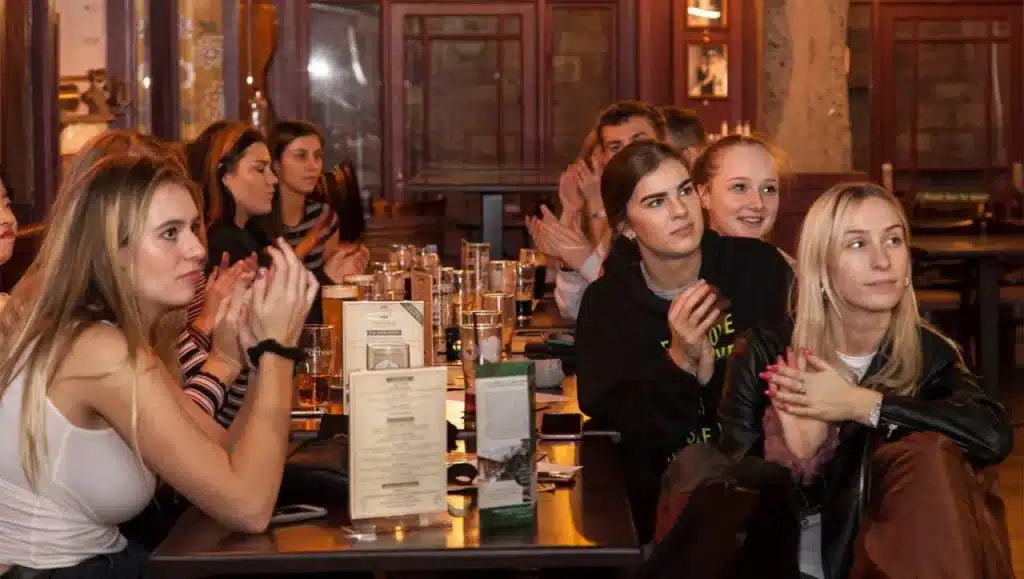
The result isn’t simply a show where you sit and watch.
You watch.
You listen.
You learn.
And then you dance.
Can Tourists Participate in Céilí Dancing?
Absolutely.
The Irish Dance Party welcomes individuals, couples, and groups, and its dance lessons are designed to be accessible to people without previous experience.
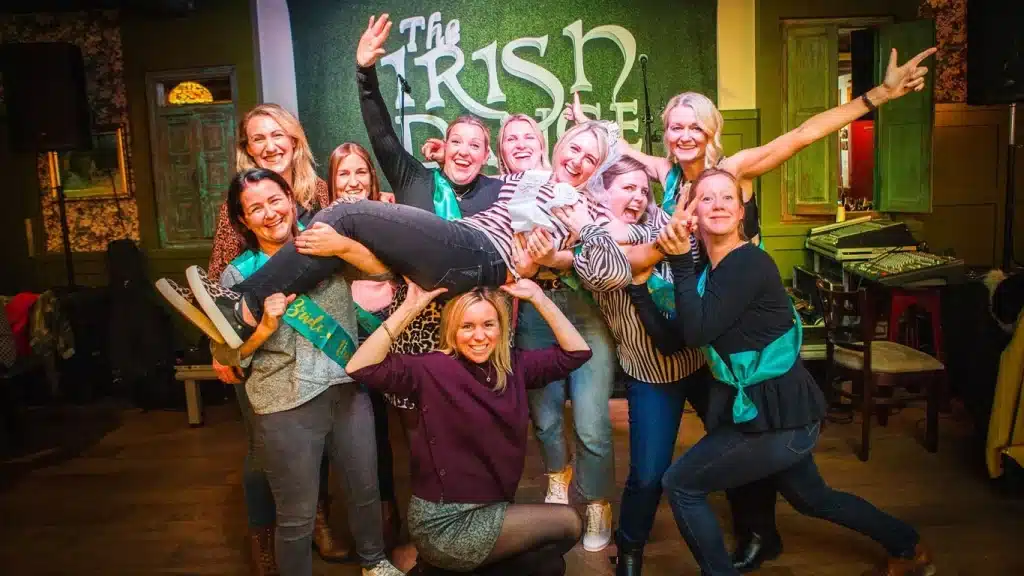
It’s particularly well suited to groups because everyone learns together. Tour groups, birthday parties, hen parties, corporate groups, and other visitors can participate in the same shared activity.
For groups looking for a more customized experience, see the private and corporate Irish dance events.
Which Style Will You Experience at The Irish Dance Party?
Both styles are part of the experience, but in different ways.
Professional dancers perform choreographed routines showcasing the performance side of Irish dance, while guests are invited to learn simple traditional group dances themselves.
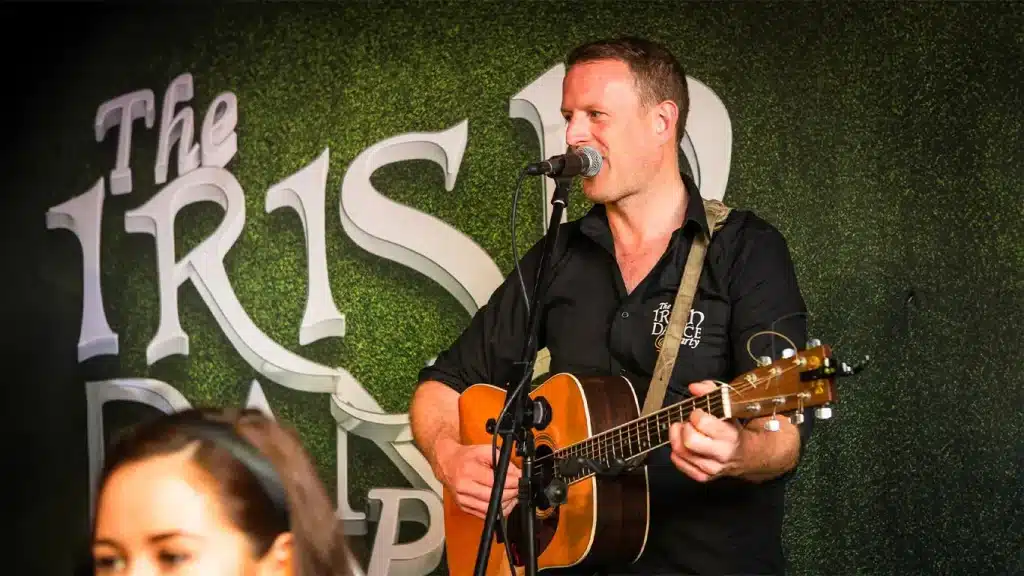
The experience also includes live Irish music and storytelling, with musicians explaining the songs, instruments, music, and dances in an entertaining way.
Irish Step Dancing or Céilí Dancing: Which Should You Try?
It depends on what you’re looking for.
Choose Irish step dancing if you enjoy:
- Precision
- Fast footwork
- Performance
- Technical skill
- Watching highly trained dancers
Try céilí dancing if you enjoy:
- Social activities
- Dancing with other people
- Group experiences
- Learning something new
- Participating rather than simply watching
But you don’t necessarily have to choose.
The Irish Dance Party lets you experience both sides of Irish dance in the same event: watch professional dancers demonstrate the technical performance style, then get on your feet and try traditional group dancing yourself.
Irish step dancing is primarily a performance and technical dance form focused on precise individual footwork. Céilí dancing is a social form of Irish dancing focused on partners, groups, formations, and shared participation.
Both are important parts of Irish dance culture, but they offer very different experiences.
If you’re visiting Dublin and want to experience Irish dancing rather than simply watch it, book your Irish Dance Party experience and learn some simple céilí-style dances alongside professional Irish dancers.